Clinical Agentic AI
For Clinicians, Researchers & Medical Students
Agentic AI in Clinical Life
From complex clinical questions to evidence-grounded decisions—with the clinician always in control.

Diagnosis
Structure complex presentations, explore differential diagnoses, and connect clinical findings to traceable medical evidence.

Treatment
Compare therapies, guidelines, risks, and patient-specific factors—then verify the evidence before acting.

Rare Disease
Integrate phenotype, genetics, literature, and disease knowledge to prioritize evidence in complex and rare conditions.
Why Clinical Agents?
"Compared with standalone large language models, agentic AI systems can provide more transparent and clinically actionable support for complex diagnostic reasoning, while allowing clinicians to inspect the evidence behind each conclusion." — paraphrased.
Nature Medicine, 2026, Zhao et al.
Workshop at a Glance
Learn to use supervised AI agents via hands-on examples on real-life clinical cases, and have an accurate, safer, faster and more transparent clinical reasoning.
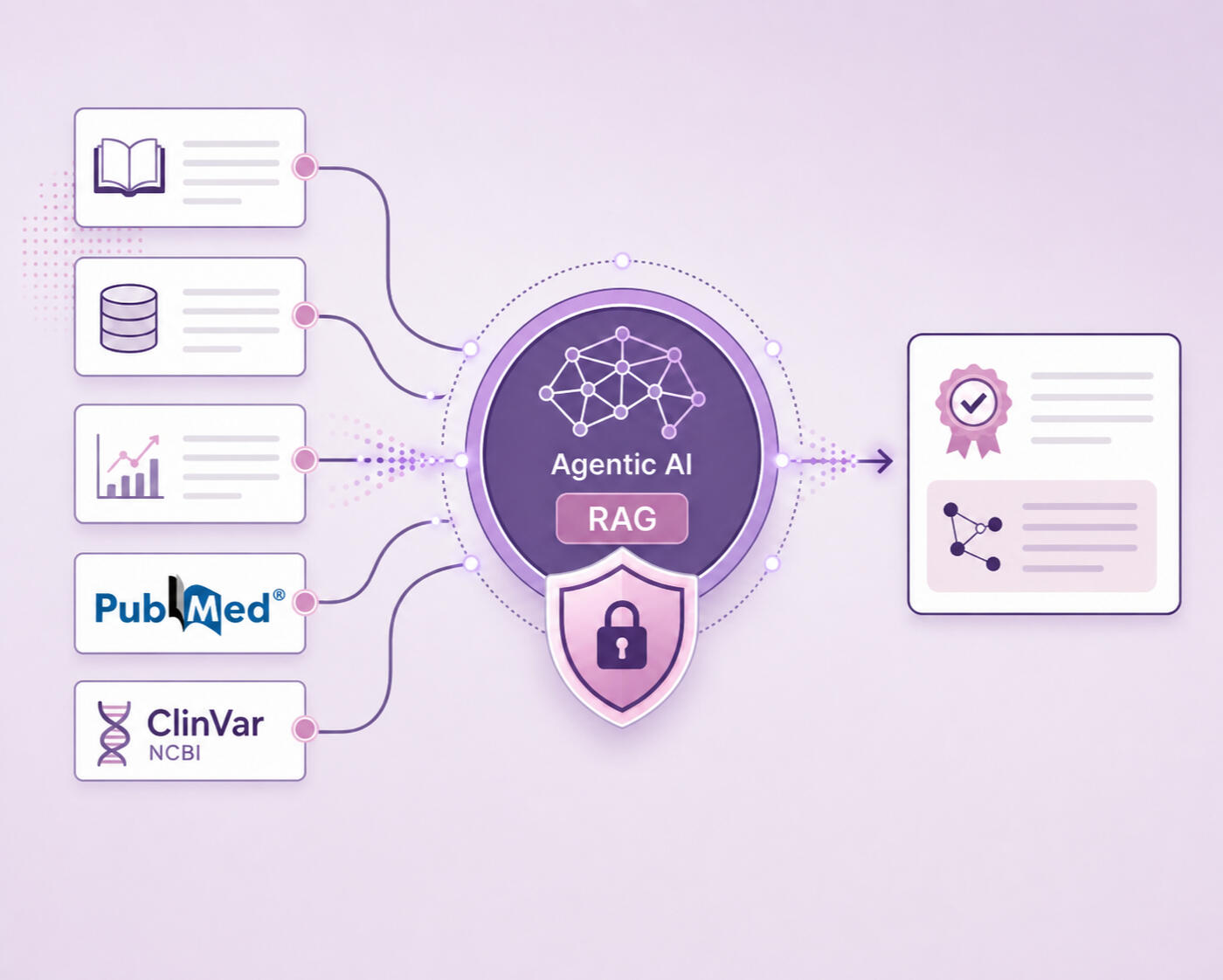
Advantages of Agentic AI
Explore how supervised AI agents coordinate clinical information, biomedical tools, and evidence to support safer, and more transparent clinical reasoning.
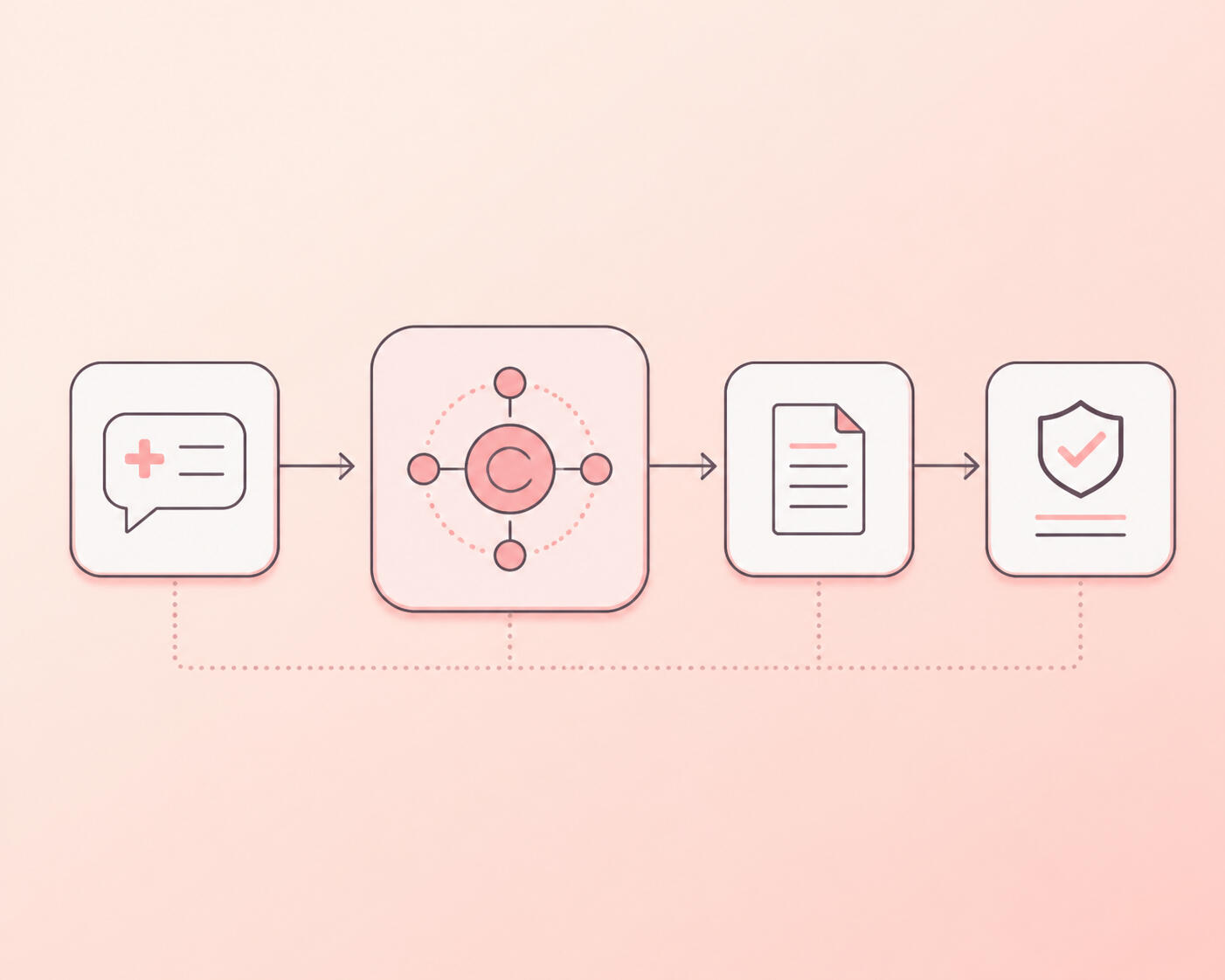
Workflow & Orchestration
Follow each step from clinical question to evidence-grounded answer, with a visible trace of the agents used, their inputs, outputs, and sources.
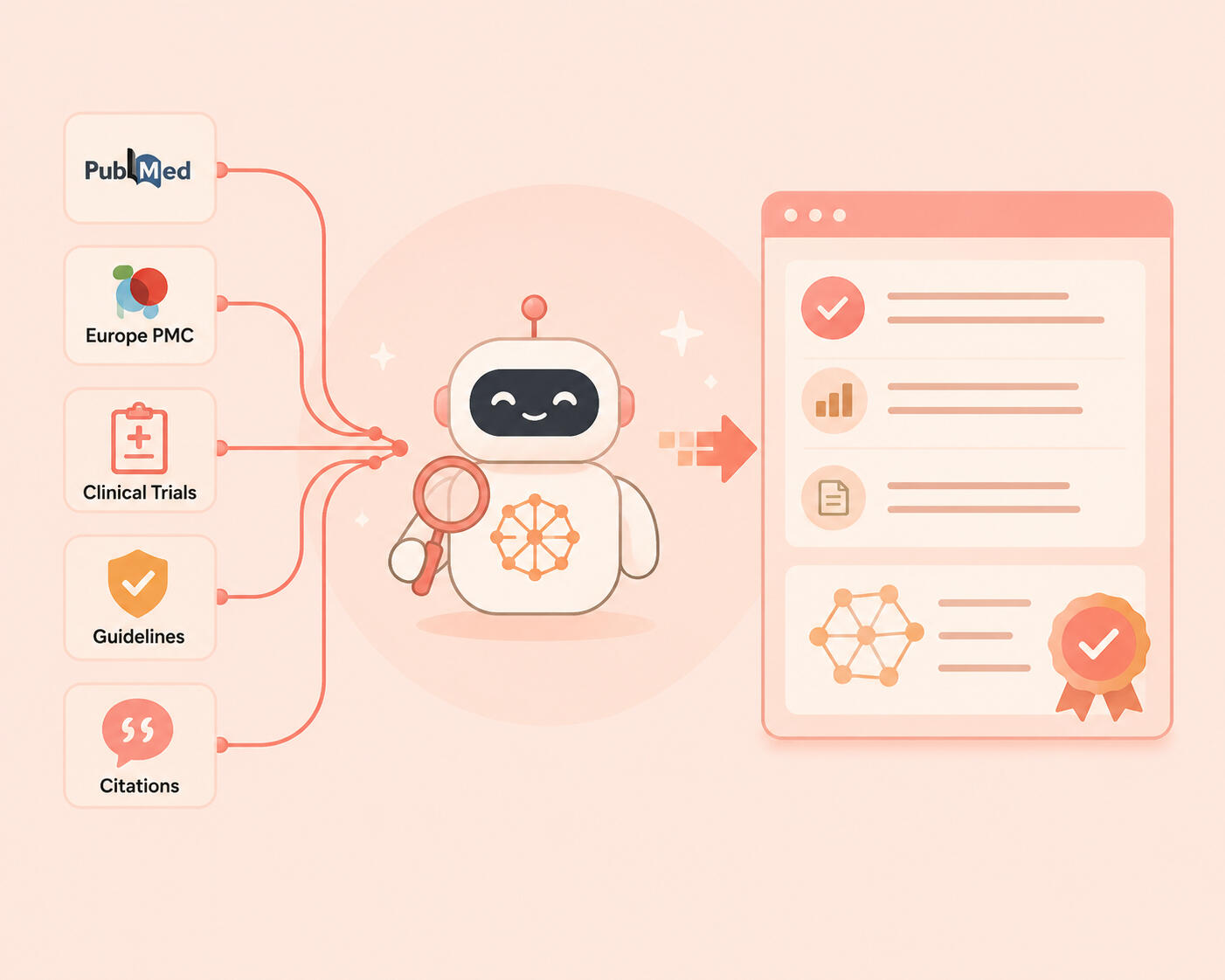
Evidence Synthesis
See how agents combine PubMed, Europe PMC, clinical-trial registries, guideline sources, and citation databases to build traceable and structured evidence summaries.
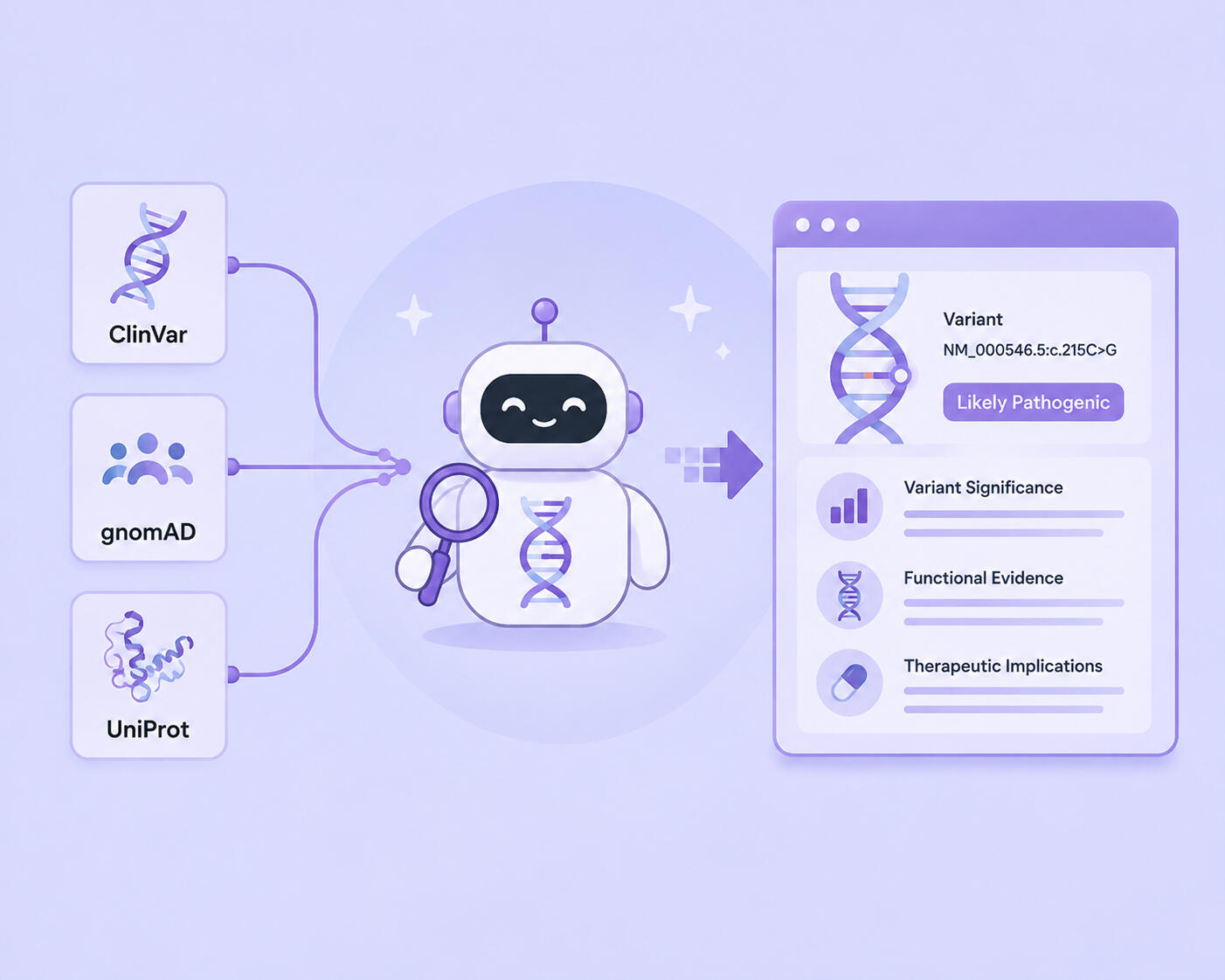
Genetic Variation
Use clinical agents to connect to genetic databases - including ClinVar, gnomAD, and UniProt - to assess variant significance, functional evidence, and potential therapeutic implications.
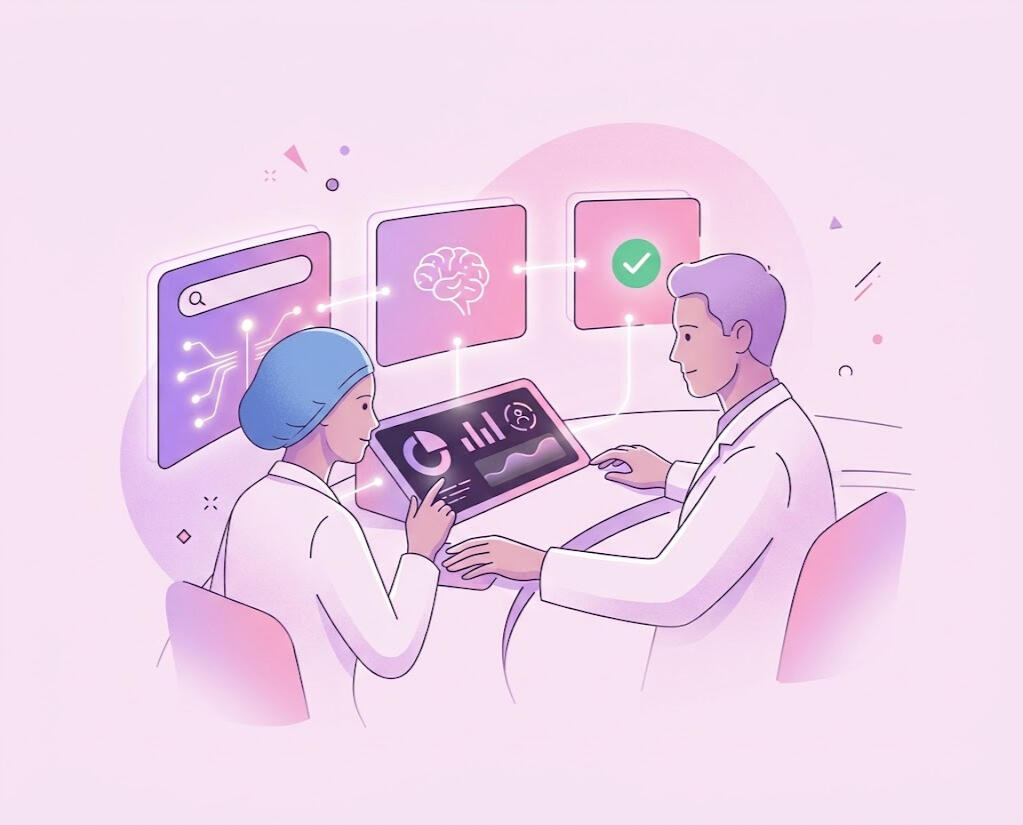
Clinician in the Loop
Learn how to supervise an agent at every critical stage—from framing the question and reviewing sources to challenging the synthesis and approving the final interpretation.
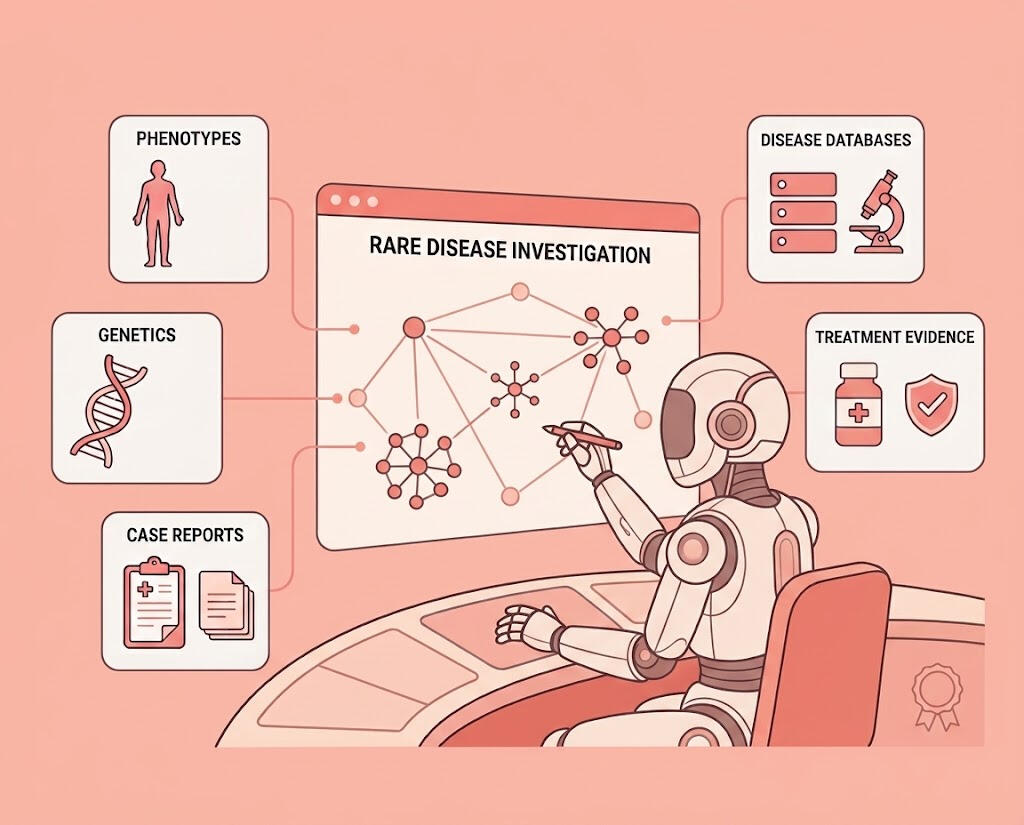
Rare Disease
Examine how Agentic AI can connect phenotypes, genetic findings, case reports, disease databases, and treatment evidence to support complex rare-disease investigations.

Commercial vs Open Solutions
Compare commercial and open solutions across evidence access, transparency, customization, data control, usability, and institutional deployment requirements.
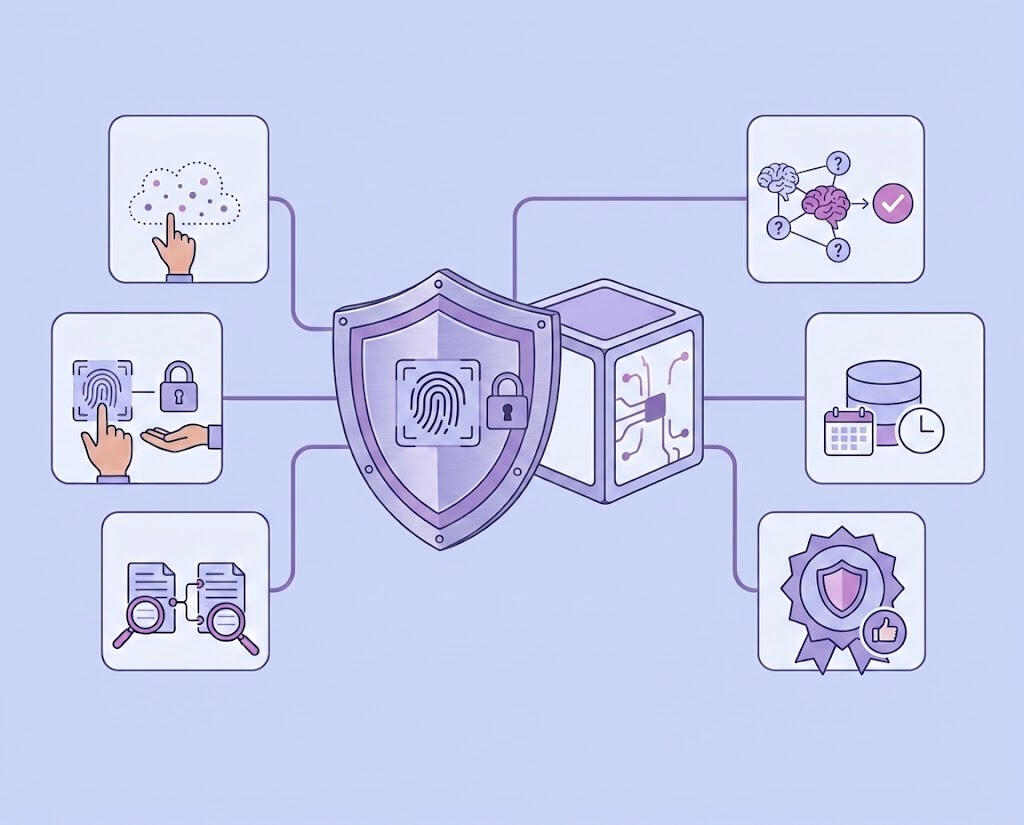
Data Protection & Compliance
Explore practical safeguards for clinical AI, including data minimization, access control, auditability, human oversight, retention, and institution-approved deployment.
Hands-on Workshop
Through practical exercises and real-life clinical cases, clinicians use Agentic AI to search, prioritize, verify, and synthesize medical evidence in a fast, structured, and traceable workflow.
Related Workshops

Institutional
Privacy
Use agentic AI for clinical cases including Protected Health Information within institution-controlled infrastructure. Protect PHI while supporting data sovereignty and regulatory compliance.

Expert-Opinion
Triage
See in action how a triage layer prioritizes requests for Agentic AI support in a high-load environment, so requests with higher urgency, and risk are directed to immediate analysis and expert review.

Translational
Agentic AI
Connect phenotypes, genetics, pathways, drugs, and literature to prioritize research hypotheses, support drug repurposing, pharmacogenomics, and target discovery.

Omar Laham, MD, MSc
• Medical Doctor
• MSc in Bioinformatics & Computational Biology
• PhD Candidate in Translational Neuroscience
• The University of Heidelberg, Germany
All rights reserved.